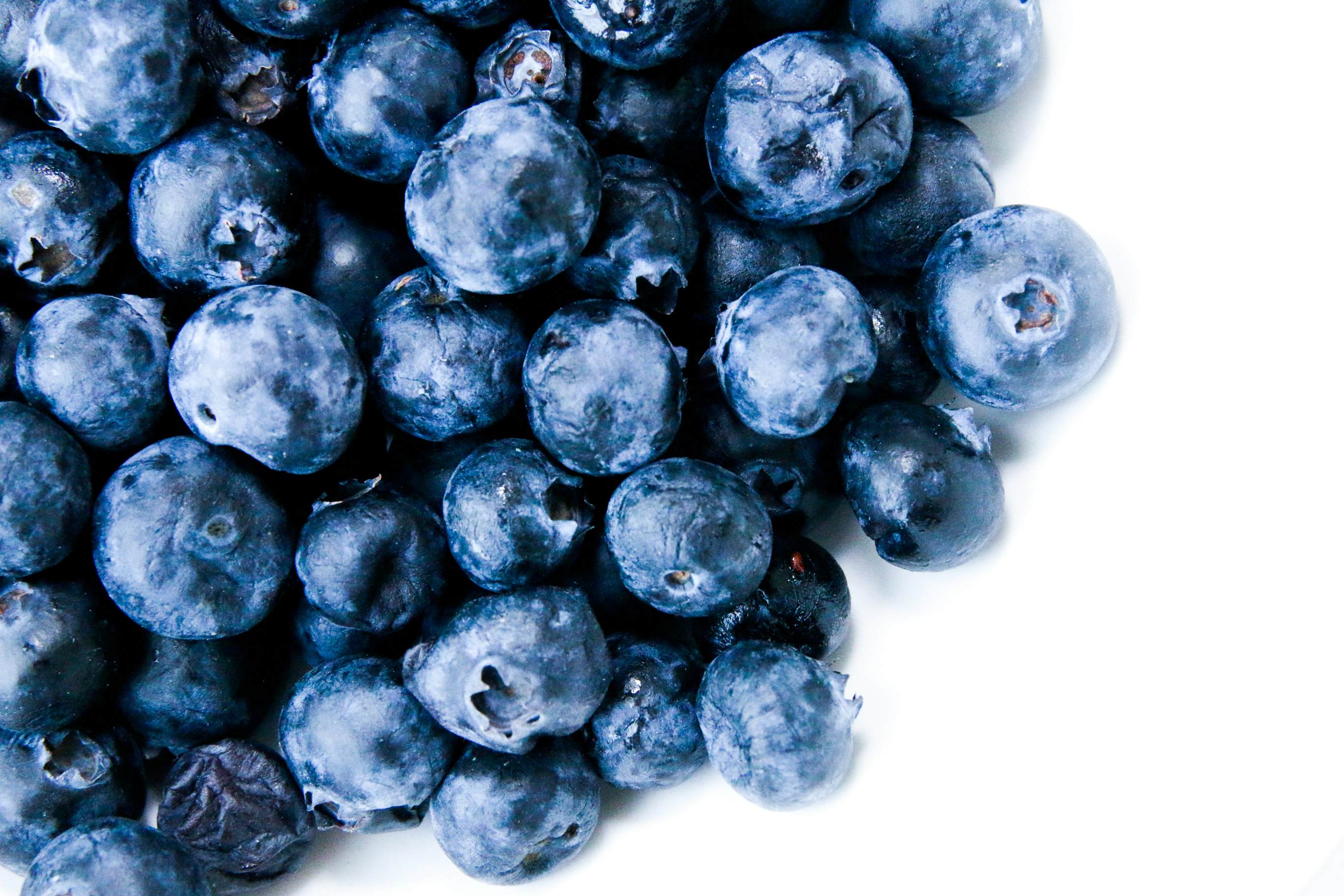
When it comes to managing cholesterol, most advice focuses on what to cut out. But there is a powerful parallel strategy that rarely gets enough attention: eating more of the foods that actively fight back. Certain foods go beyond being merely 'not harmful' — they contain specific nutrients proven by science to lower your bad LDL, raise your good HDL, and directly support cardiovascular health. These are super foods.
What Earns a Food Super Status?
A food qualifies as a cholesterol-fighting super food when it meets one or more key criteria: it contains ≥2g of soluble fibre per serving (to trap bile acids and reduce LDL), ≤1.5g of saturated fat per serving (to keep LDL receptor activity high), meaningful levels of omega-3 fatty acids (to lower triglycerides and reduce inflammation), or plant sterols (to block cholesterol absorption in the intestines).
How Super Foods Work: The Four Mechanisms
Soluble fibre is the single most important weapon in the super food arsenal. Unlike insoluble fibre, which simply adds bulk, soluble fibre dissolves in water and forms a thick gel in your digestive tract. This gel acts like a sponge, trapping bile acids — which your liver makes from LDL cholesterol — and dragging them out of your body as waste. Your liver must then pull more LDL from your bloodstream to make fresh bile, directly lowering your circulating bad cholesterol.
- Soluble Fibre: Forms a gel in your gut that traps bile acids and carries them out as waste, forcing your liver to pull LDL from your blood to replace them.
- Healthy Fat Replacement: Monounsaturated and polyunsaturated fats from nuts, avocados, and olive oil lower LDL while protecting your good HDL — unlike saturated fats, which shut down LDL receptors.
- Plant Sterols: Naturally found in nuts, seeds, and whole grains, these compounds are structurally similar to cholesterol and compete with it for absorption in your intestines, blocking it before it enters your bloodstream.
- Omega-3 Fatty Acids: Found in fatty fish, walnuts, and flaxseed, omega-3s lower triglycerides by up to 30%, reduce systemic inflammation, and help prevent dangerous blood clots.
The Top Cholesterol-Fighting Super Foods
Here are the twelve most powerful foods you can add to your daily diet. Each one has strong clinical evidence behind its cholesterol-lowering effects:
| Food | Key Benefit |
|---|---|
| Oats & Barley | Beta-glucan soluble fibre — the gold standard for LDL reduction |
| Beans & Lentils | High fibre and plant protein with very low saturated fat |
| Fatty Fish | Salmon, mackerel, sardines — rich in EPA and DHA omega-3s |
| Nuts & Seeds | Walnuts, almonds, flaxseed, chia — healthy fats and plant sterols |
| Apples & Berries | Pectin fibre and antioxidants that prevent LDL oxidation |
| Avocados | Monounsaturated fats that replace harmful saturated fats |
| Olive Oil | Extra virgin — oleic acid supports LDL receptor activity |
| Leafy Greens | Kale, spinach — lutein, fibre, and virtually no saturated fat |
| Cruciferous Vegetables | Broccoli, cauliflower, Brussels sprouts — fibre and antioxidants |
| Citrus Fruits | Pectin fibre in oranges and grapefruits aids cholesterol clearance |
| Eggplant | Fibre and nasunin, a powerful antioxidant |
| Soy Foods | Tofu, soy milk — plant protein that modestly lowers LDL |
Track your diet and your cholesterol together
Heart Tracker logs your meals and lipid panel results in one place, so you can actually see what's moving your numbers.
Download Heart Tracker FreeUse the Super Foods Filter
In this app, any food marked with a green leaf symbol meets the super food criteria. Use the 'Super Foods Only' toggle in any food category to instantly filter your options and find these heart-healthy choices quickly when planning meals.
Building a Super Food Day
To make the biggest impact, aim to build your meals around at least two or three super food groups each day. A breakfast of oatmeal topped with berries and ground flaxseed, a lunch with a bean-based salad, and a dinner centred on grilled salmon with leafy greens — that one day alone delivers a powerful combination of beta-glucan, pectin, omega-3s, and plant sterols working together on your behalf.
Your Action Step
Open your food log right now and find one meal where you could swap a neutral ingredient for a super food. Replace white rice with a half-cup of lentils. Swap a packet of crisps for a handful of walnuts. Add a tablespoon of ground flaxseed to your morning yogurt. Every swap is a direct, measurable improvement to your LDL picture.
Further reading
- American Heart Association: Heart-Healthy Foods
- Mayo Clinic: Top Foods to Improve Your Numbers
- Journal of Nutrition: Dietary Plant Sterols and Cholesterol Lowering
Ready to take control of your cholesterol?
Download Heart Tracker free and start logging your meals and lipid panel results today.
Download Heart Tracker Free