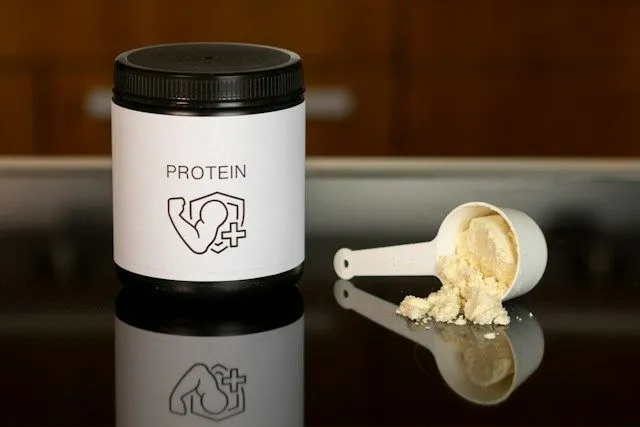
Walk down any supermarket aisle today and you will spot protein-fortified bars, breads, puddings, and cereals promises of easy health fixes in every wrapper. It is easy to see the appeal. Many of us hope that simply adding a extra scoop of protein powder or buying high-protein packaged snacks will balance out a busy lifestyle, boost energy, and magically improve health markers like blood cholesterol. However, when it comes to long-term heart health, the type of protein you choose matters far more than the raw quantity you consume.
Understanding the high-protein buzz
Protein is an essential macronutrient required for muscle repair, immune function, hormone production, and cellular repair. Current guidance from the NHS recommends that most adults require about 0.75g of protein per kilogram of body weight daily (roughly 45g for average women and 55g for average men). Most people eating a balanced diet easily meet or exceed these baseline requirements. The current food trend, however, often encourages intake far beyond these levels through ultra-processed high-protein products. While protein helps keep you feeling fuller for longer, overloading on animal products high in saturated fat can inadvertently drive up low-density lipoprotein (LDL) cholesterol.
Protein types and cholesterol impact
The relationship between protein intake and heart health depends almost entirely on the food package the protein comes in. According to HEART UK, swapping animal protein sources rich in saturated fat—such as fatty cuts of red meat, processed meats, and full-fat dairy—for plant-based proteins can actively support healthy blood cholesterol levels. Saturated fat interferes with the liver's ability to clear LDL cholesterol from the blood, whereas foods rich in plant protein naturally come bundled with soluble fibre, unsaturated fats, and protective phytonutrients.
How protein choices affect your liver
Your liver expresses special receptors that capture excess circulating LDL cholesterol and remove it from your bloodstream. High intakes of saturated fats downregulate these LDL receptors, causing cholesterol to build up in the blood. When you replace saturated fats with plant proteins like soy, pulses, and nuts, you maintain higher receptor activity while introducing soluble fibres (like beta-glucan) that bind to bile acids in the digestive system, prompting the liver to draw even more cholesterol out of circulation to make new bile.
Comparing common protein sources
| Protein source | Protein per 100g | Cholesterol impact | Dietary profile |
|---|---|---|---|
| Lentils & pulses | 9g (cooked) | Helps reduce LDL | Rich in soluble fibre & heart-healthy minerals; zero saturated fat. |
| Soya & tofu | 8g - 15g | Helps reduce LDL | Contains isoflavones & lean plant protein; very low saturated fat. |
| Unsalted nuts & seeds | 15g - 25g | Helps reduce LDL | High in monounsaturated fats & plant sterols; calorie dense. |
| Skinless poultry & white fish | 20g - 25g | Neutral / Lean option | Low in saturated fat; provides high-quality protein without increasing LDL. |
| Red meat & processed meats | 20g - 26g | May increase LDL | Often high in saturated fat & sodium; linked to higher heart disease risk when eaten frequently. |
Navigating dietary choices across different lifestyles
Whether you follow a vegan, vegetarian, pescatarian, or omnivorous diet, building a protein routine that protects your heart is entirely achievable. For plant-based eaters, combining diverse sources such as lentils, chickpeas, beans, tofu, tempeh, quinoa, and seeds ensures you obtain all essential amino acids alongside generous doses of heart-friendly dietary fibre. Pescatarians benefit from oily fish like salmon, mackerel, and sardines, which the British Heart Foundation highlights as rich sources of omega-3 fatty acids that support healthy blood triglyceride levels. If you eat meat, choosing lean cuts, trimming visible fat, and replacing meat with legumes in dishes like stews or bakes once or twice a week is an effective way to lower saturated fat intake without sacrificing meal satisfaction.
Practical steps to upgrade your protein quality
- Read food labels carefully to check the saturated fat and sugar content of fortified high-protein snacks, bars, and drinks.
- Practice protein shifting by replacing half the meat in minced dishes (like bolognaise or chilli) with brown lentils or black beans.
- Choose raw or dry-roasted, unsalted nuts and seeds as a convenient mid-day snack instead of processed protein bars.
- Incorporate soy-based foods like edamame, tofu, or unsweetened soya drinks, which research cited by HEART UK shows can actively lower cholesterol when part of a diet low in saturated fat.
- If you have an existing cardiovascular condition, high blood pressure, or diabetes, consult your GP or care team before introducing significant dietary shifts or protein supplements.
Track your diet and your cholesterol together
Heart Tracker logs your meals and lipid panel results in one place, so you can actually see what's moving your numbers.
Download Heart Tracker FreeHeart-healthy protein recipes
Adding heart-smart protein to your routine should be practical and delicious. Below are two versatile recipes suitable for plant-based and flexitarian diets, provided with both metric and imperial measurements.
Mediterranean lentil and walnut salad (Vegan)
Serves 2. Ingredients: 250g (1.5 cups / 8.8 oz) cooked brown or green lentils, drained; 30g (1/4 cup / 1 oz) chopped walnuts; 100g (1/2 cup / 3.5 oz) cherry tomatoes, halved; 1/2 cucumber, diced; 2 tbsp fresh parsley, chopped; 1 tbsp extra virgin olive oil; 1 tbsp fresh lemon juice; pinch of black pepper. Method: Combine all ingredients in a bowl, toss thoroughly with olive oil and lemon juice, and serve. Provides plant protein, heart-healthy monounsaturated fats, and soluble fibre.
Pan-seared tofu or chicken breast with edamame succotash (Flexitarian/Vegan)
Serves 2. Ingredients: 250g (8.8 oz) firm tofu or skinless chicken breast; 150g (1 cup / 5.3 oz) frozen shelled edamame beans; 100g (2/3 cup / 3.5 oz) sweetcorn kernels; 1 red bell pepper, diced; 1 tsp rapeseed oil or olive oil; 1 garlic clove, minced; black pepper and herbs to taste. Method: Heat 1/2 tsp oil in a pan and cook sliced tofu or chicken until thoroughly cooked. Set aside. In the same pan, heat the remaining oil, saute garlic, bell pepper, sweetcorn, and edamame for 4–5 minutes until tender. Serve the protein over the edamame succotash.
Try this
Open your Heart Tracker meal log today and count how many plant-based protein sources (like beans, nuts, seeds, or soy) you consumed this week. Aim to add just one extra plant protein meal to your plan over the next three days.
Further reading
- British Heart Foundation: Protein and heart health
- HEART UK: Protein foods to lower cholesterol
- NHS: Healthier eating - Protein
- Image credit: Photo by Alex Saks on Unsplash
Ready to take control of your cholesterol?
Download Heart Tracker free and start logging your meals and lipid panel results today.
Download Heart Tracker Free