GLP-1 medicines such as semaglutide (Ozempic, Wegovy) and tirzepatide (Mounjaro, Zepbound) are weight-loss and diabetes drugs, not cholesterol drugs, but they often improve your lipid results. Most of that comes from weight loss. Eating well on them matters: you eat less, so each meal has to count, and some foods make the side effects worse.
The short version
Cholesterol: expect modest improvements in LDL and larger ones in triglycerides, mostly tied to weight loss. Heart protection: in the SELECT trial, semaglutide lowered major cardiovascular events by about 20% in people with obesity and existing heart disease. Keep taking any statin you were prescribed. Eat: protein, fibre, vegetables, fish and smaller meals; go easy on greasy and very sugary foods.
What GLP-1 drugs do to your cholesterol
GLP-1 receptor agonists slow stomach emptying and reduce appetite, so people eat less and lose weight. Weight loss improves triglycerides the most (a 5 to 10% weight loss alone can lower them 20 to 30%, see what to eat for high triglycerides) and lowers LDL slightly. The 2026 ACC/AHA guideline puts the LDL effect of weight loss at roughly 0.01 to 0.04 mmol/L (0.3 to 1.7 mg/dL) per kg lost, so it adds up but isn't a replacement for a statin when you need one.
In the SELECT trial of about 17,600 adults with overweight or obesity and existing cardiovascular disease but without diabetes, weekly semaglutide reduced the risk of heart attack, stroke or cardiovascular death by about 20%. Researchers think the benefit comes from more than lipids, including weight, blood pressure and inflammation.
Don't stop or reduce a statin or other cholesterol medicine because you've started a GLP-1 drug without talking to your doctor. Re-check your lipids after a few months: your results, and the right treatment, may change as your weight does.
Eating well when your appetite is small
- Prioritise protein (fish, skinless poultry, eggs, tofu, beans, lentils, low-fat dairy) at each meal. Protein, together with strength training, helps preserve muscle during weight loss. Ask a dietitian for a personal target.
- Eat fibre every day. Oats, beans, lentils, fruit and vegetables support LDL, fullness and constipation, a common side effect. Add fibre gradually and drink fluids.
- Choose unsaturated fats (olive oil, nuts, avocado, oily fish) over saturated ones, in small amounts.
- Eat small, regular meals. Stop when you feel satisfied rather than full.
- Keep alcohol low, as it adds empty calories and raises triglycerides.
| Food | Serving | Saturated fat | Cholesterol | kcal |
|---|---|---|---|---|
| Chicken breast, roasted, no skin | 3 oz (85 g) | 0.9 g | 72 mg | 140 |
| Tofu, firm | ½ cup (126 g) | 1.6 g | 0 mg | 181 |
| Lentils, boiled | ½ cup (99 g) | 0.1 g | 0 mg | 115 |
| Greek yoghurt, plain, nonfat | 170 g | 0.2 g | 9 mg | 100 |
| Cod, baked | 3 oz (85 g) | 0.1 g | 47 mg | 89 |
The saturated fat in all of these is under 2 g, with 5 to 25 g of protein, so they fit a small appetite and a cholesterol-lowering diet.
Managing side effects with food
- Nausea: very fatty, fried or rich foods tend to make it worse. Bland, low-fat foods and smaller portions help. Ginger tea can also help some people.
- Constipation: fibre, fluids and movement. Talk to your pharmacist about options if it persists.
- Diarrhoea or reflux: note which foods trigger them and avoid those.
- Rapid weight loss and gallstones: losing weight quickly raises the risk of gallstones. Tell your doctor about severe upper-abdominal pain, especially after fatty meals.
Report severe or persistent side effects to your prescriber. This page is general information, not personal medical advice.
What to check with your doctor
- A lipid panel before starting and after 3 to 6 months of treatment.
- Whether your statin dose still suits you as your weight, blood pressure and glucose change.
- Your overall risk (QRISK3 in the UK, PREVENT in the US), since weight loss can lower it.
- An inherited cause such as familial hypercholesterolaemia or raised Lp(a), which weight loss does not fix.
This is general information, not medical advice. If you take cholesterol medication or have a heart condition, check changes to your diet with your doctor, dietitian or pharmacist.
Sources
- Lincoff AM, et al. Semaglutide and cardiovascular outcomes in obesity without diabetes (SELECT). N Engl J Med. 2023;389:2221–2232.
- Blumenthal RS, Morris PB, et al. 2026 ACC/AHA Guideline on the Management of Dyslipidemia. J Am Coll Cardiol. 2026;87(19). Section on weight loss and lipids.
- NHS: Semaglutide.
- USDA FoodData Central (SR Legacy), values per serving calculated from the per-100 g record: FDC 171477, 172475, 172421, 170894, 171956. fdc.nal.usda.gov
Frequently asked questions
Does Ozempic lower cholesterol?
It often improves lipid results, mainly through weight loss: triglycerides fall the most and LDL falls a little. Ozempic is not a cholesterol medicine, so it does not replace a statin when you need one.
Should I stop my statin if I start Wegovy or Mounjaro?
No. Keep taking your statin unless your doctor tells you to change it. Re-check your lipids after a few months of treatment to see how your numbers have changed.
What should I eat on a GLP-1 medication?
Aim for protein at every meal, fibre from oats, beans, lentils, fruit and vegetables, and unsaturated fats such as olive oil, nuts and oily fish. Eat smaller portions and go easy on greasy, fried and very sugary foods, which can worsen nausea.
Do GLP-1 drugs raise or lower triglycerides?
They usually lower them, mostly via weight loss and reduced intake of sugar and fat. Reductions are typically larger than the changes seen in LDL.
Can I eat fatty foods on Ozempic?
You can, but many people find high-fat meals worsen nausea and fullness. Small portions of foods with unsaturated fats are usually better tolerated than fried or creamy dishes.
Make every small meal count
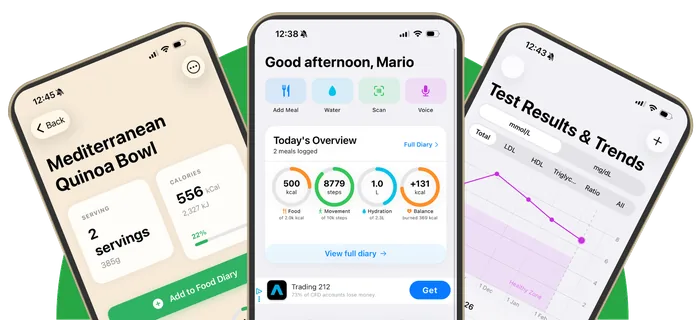
Heart Tracker logs protein, fibre, saturated fat and calories, and charts your weight and lipid results side by side so you can see how treatment changes them.
- Barcode scanner
- LDL & HDL trends
- Voice meal logging